
Dentist Near Me
 It can be difficult to get your child to practice proper oral care unsupervised. However, the long-term benefits of an early start to optimal oral hygiene are worth the effort. Below are some tips to help you make oral health a fun part of your child’s daily routine.
1. Brush with a Buddy.
Your child will be much more excited to floss and brush their teeth if it’s a family activity. Brush your teeth with your child, or if they have siblings, have the kids brush together. This will help make the time more fun and help your child to subconsciously accept oral hygiene as a normal part of a daily routine.
2. Choose the Right Supplies.
Let you child pick out their own toothbrush. This will help them feel like they have a say in their oral care routine.
3. Reward Good Behavior.
A little incentive can go a long way. When trying to get your child to floss and brush on their own, it might be helpful to implement a simple reward system. For example, your child could track their own brushing on a calendar and trade it in for a small gift or prize after a month of twice daily brushing.
4. Educate to Empower.
It’s important that your child understands why practicing good oral hygiene is so important. Use this as an opportunity to teach them about the dangers associated with poor oral health.
There are a lot of strategies you can use to make brushing a fun part of your child’s day, rather than a chore. You know your child better than anyone, so don’t be afraid to come up with some additional techniques that will work better for them!
Reynolds Family Dentistry of Richmond
5700 Old Richmond Avenue, Ste A3, Richmond, VA 23228
(804) 282-8712
 Chipping a tooth could be uncomfortable and embarrassing. Fortunately, there are a number of ways to fix a chipped tooth. We will recommend a solution based on your particular needs. Here are three options we may provide you:
 Calcium is an important mineral for building strong, healthy teeth, but not everyone can tolerate the lactose found in dairy. Lactose is a sugar found in milk and other dairy products. About 65% of people have reduced ability to process lactose past infancy.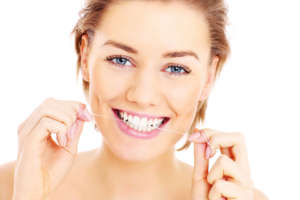
 Men, dental examinations and treatment are important for you, too. Did you know according to the Academy of General Dentistry (AGD), by age 72 men lose an average of 5 teeth? That number jumps to 12 if you are also a smoker. Here’s what you need to know about keeping your mouth healthy. Follow these tips and you can beat the odds stacked against men and their oral health.
 It’s highly likely that after visiting our practice, you understand the value of a thorough, professional dental cleaning. It’s also likely that you may not fully understand the importance of a complete exam and radiographs.
 Men, dental examinations and treatment are important for you, too. Did you know according to the Academy of General Dentistry (AGD), by age 72 men lose an average of 5 teeth? That number jumps to 12 if you are also a smoker. Here’s what you need to know about keeping your mouth healthy. Follow these tips and you can beat the odds stacked against men and their oral health.
 Calcium is an important mineral for building strong, healthy teeth. Not everyone can tolerate the lactose found in dairy, which is often a prime source for calcium. There are a wide variety of options available to get the calcium you need. Here are six options rich in calcium:
 Are you embarrassed to show your smile because of missing teeth? For many people, missing teeth can create a feeling of diminished self-confidence. Modern dentistry can not only replace the gaps in your smile, our team can also create long-term replacements that look and feel just like your natural teeth. You have options. Here are a few of the most common tooth replacement solutions.
 It is not uncommon for many of us to grab a bite to eat in a hurry. Americans have grown accustomed to bigger food portions at restaurants, but our mouths have not. Trying to fit that oversized sandwich or apple in your mouth might be worse for you than you have ever imagined. Below are some reasons why this could be detrimental for your oral health and what you can do about it.