
Dentist Richmond, VA
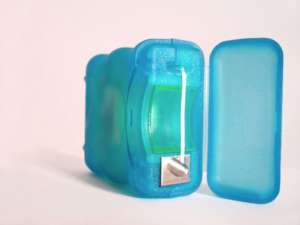 Loose teeth, bad breath, and painful, bloody gums – these are among the signs and symptoms of periodontal, or gum, disease. Unfortunately, periodontal disease can also begin without any obvious symptoms. If left undiagnosed or untreated, you could be at risk for irreparable damage to your teeth and gums. The good news is that periodontal disease is preventable. In fact, one of the most effective tools for preventing the disease only takes a minute of your time each day.
Floss to the Rescue
Dental floss is an effective and easy to use tool that can be among your best defenses for preventing periodontal disease. Periodontal disease is caused by a buildup of plaque and bacteria. Even if your daily oral hygiene routine already includes a thorough brushing that lasts for two minutes, at least twice each day, you should be flossing daily as well. Dental floss is highly effective at cleaning areas where your toothbrush cannot reach. Small gaps and tight spaces between teeth catch food debris and sugars and acids from drinks all day long. Flossing helps to clean out these tough to reach spaces.
Facts Behind Flossing
According to a survey referenced by the American Dental Association, only 40% of Americans floss each day. The same study showed a clear link between regular intra-oral care and better oral health. Unfortunately, many people also lie about how frequently they clean between their teeth. A study from the American Academy of Periodontology found that 27% of adults lie to their dentist about their flossing habits.
Tips for Flossing Correctly
It can be confusing to figure out the best way to use dental floss. Try cutting off about 18 inches of floss and wrapping most of it carefully around your middle finger. Use roughly one inch to clean between each pair of teeth. Using your thumb and index finger, carefully slide the floss between your teeth. Floss to your gumline, but be gentle. Avoid cutting your gums. Work your way through your 18 inches of floss by using a new, clean section between each pair of adjacent teeth.
It only takes about a minute to floss your teeth each day, but these minutes contribute to a lifetime of optimal oral health. Floss is among the most effective tools at your disposal to keep your gums clean and healthy. Get into the habit of flossing your teeth regularly – your gums will thank you.
For more information about gum health, or to schedule a visit to our office, please contact our team.
 Determining Which Type of Denture is Best for You
  It’s common knowledge that plenty of beverages are not good for your health. The excessive amounts of sugar, caffeine, or alcohol found in a lot of popular drinks have well-documented impacts on your body. However, you may not be aware of the immediate impacts that these beverages can have on your teeth. Below is a list of some common beverages and tips for enjoying them responsibly.
 Do you have white spots on your teeth? Are your teeth quite sensitive? Do your teeth have cracks, chips, or indentations? If yes, then you may be experiencing enamel erosion.
 While brushing or flossing your teeth, do you notice blood on your toothbrush or in the sink? Swollen, red, or tender gums can bleed when brushing or flossing, even if you are brushing gently. While it may seem harmless, it is important that you do not ignore these symptoms as they may be signs of a more serious issue. Here are four reasons why your gums may be bleeding, and what you can do for prevention.
 Is anxiety or nervousness preventing you from visiting our team? Dental treatments should not be a cause of stress. If you worry about pain, embarrassment, or loss or control during a dental examination, we want you to know two very important things: You are not alone and We can help.
 When a tooth is extracted, your blood cells clot over the site of the tooth to protect your bone, nerves, and tissue. However, some patients experience dry sockets, a condition where blood clotting does not occur. Here’s what you need to know about dry sockets after tooth extraction.
 If the idea of biting into an ice cream sandwich makes you cringe, you may be one of the millions of people who suffer from sensitive teeth. This is often caused by movement of fluid in the dentin – the soft inner tissue beneath the enamel of your tooth. This motion irritates the tooth nerve, creating a tingling sensation and sometimes pain.
 Teeth grinding, known as bruxism, is a habit many get into without even realizing it. Grinding your teeth can be damaging for several reasons. If you or your child have been struggling with teeth grinding, make an appointment to see us. We will assess the damage to the teeth, as well as assist you in addressing solutions. Here’s what you need to know about teeth grinding.
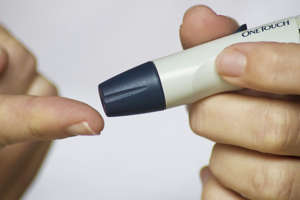 Did you know that 1 in 5 cases of total tooth loss is linked to diabetes? Diabetes affects your entire body including your mouth and teeth. Here are a few ways diabetes can impact your oral health: